Miami, FL – September 3, 2025 — The City of Miami’s Economic Innovation &...




Miami, FL – September 3, 2025 — The City of Miami’s Economic Innovation &...

On May 28, 2025, the City of Miami and citizenM hosted a Tech Mixer. It was...

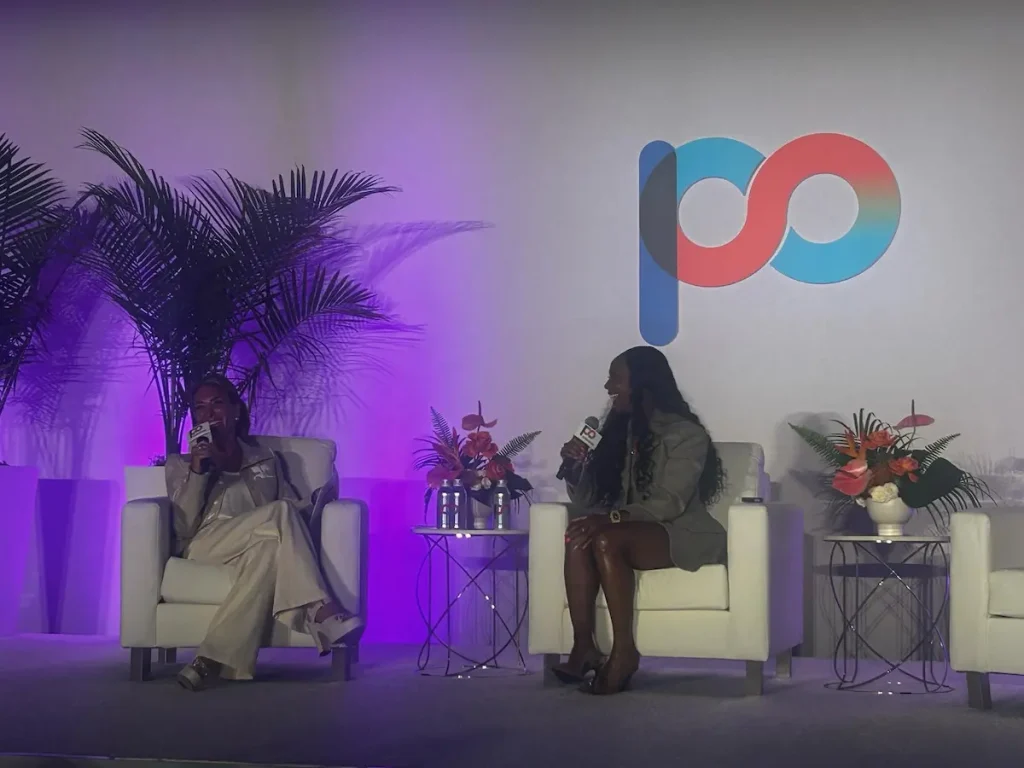
On May 7, 2025, the Opportunity Zones Policy Summit convened at the National...
Interviewer: Arijana Koskarova District 5 Resident, Founder of Creative Hub Miami (a District 5-based business), Forbes Under 30 Entrepreneur
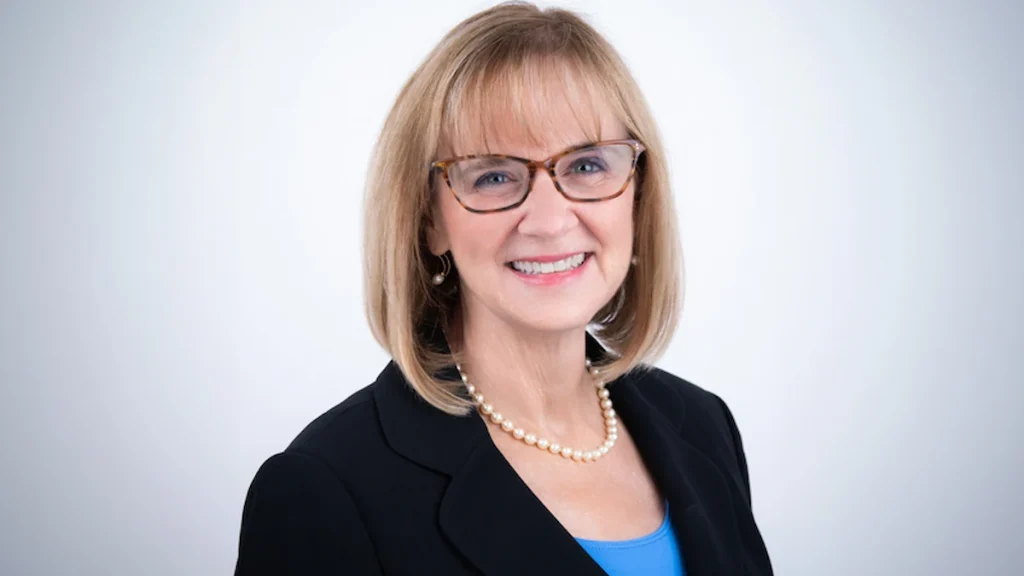
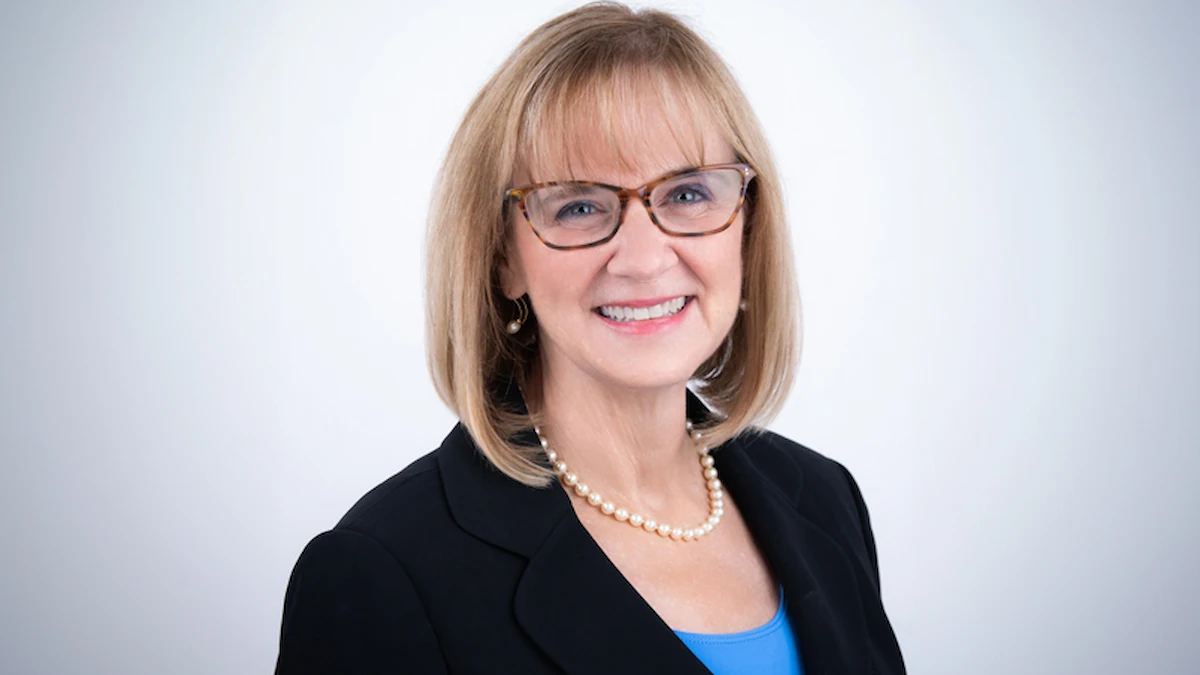
As Miami-Dade County continues to grow and evolve, District 5 stands out as a vibrant and diverse region facing both unique opportunities and challenges. Commissioner Eileen Higgins, a re-elected public servant who comes from an engineering and entrepreneurial background, has been a driving force behind initiatives that support small businesses, address climate resilience, and promote equitable development. We sat down with Commissioner Higgins to discuss her vision for 2025, upcoming projects, and how she’s working to bridge the needs of all residents in District 5.
Commissioner Higgins, you’ve been a strong advocate for small businesses in District 5 through initiatives like Elevate 5, Mom and Pop Grants, and AI programs. As a small business owner and recipient of the Mom and Pop Grant, I’ve seen firsthand how impactful these programs can be. What’s next on the agenda for 2025 to continue supporting local entrepreneurs?
Higgins: “Supporting small businesses has always been a priority for me, and in 2025, we are doubling down on that commitment. We will continue expanding Elevate 5, our small business accelerator program, to provide more technical assistance and funding opportunities. AI is no longer the future—it’s the present, and we are working hard with our partners to develop courses and resources that equip small business owners with the tools they need to succeed in this evolving market. Our resources are always available at elevatedistrict5.com and announced on my social media (@CommishEileen), so I encourage all small business owners to check there regularly to see what we’re currently offering.”
District 5 is a vibrant and diverse area, but it also faces unique challenges. As we look ahead to 2025, what is your vision for the district, and what are the most important projects or initiatives you are prioritizing to address these challenges and opportunities?
“District 5 is one of the most dynamic and diverse areas in Miami-Dade, and my vision has always been to make it a place where all residents and businesses can thrive by prioritizing affordable housing, small business growth, climate resilience, and transit solutions. We are expanding affordable housing efforts through innovative public-private partnerships and zoning changes that encourage mixed-income developments. Investing in transit-oriented development will create walkable, accessible neighborhoods with reliable transportation options, reducing commute times and making Miami-Dade more efficient. Enhancing climate resilience is key, with initiatives such as strengthening our resiliency code for seawall installations, eliminating single-use plastics and styrofoam from county contracts, and investing in green infrastructure like urban tree canopies. Additionally, we are advocating for energy-efficient and environmentally friendly alternatives such as our electric Miami-Dade Transit busses that reduce our carbon footprint and protect Miami-Dade’s future.”
The Mom and Pop Grant was a tremendous help for Creative Hub Miami, especially as a small business founded by an immigrant. Are there any new grants or funding opportunities that small business owners can look forward to in 2025?
“I’m thrilled to hear that the Mom and Pop Grant made an impact on Creative Hub Miami! Supporting small businesses is at the heart of what we do, which is why in 2023, I launched the New Heights Microloan Fund in partnership with Partners for Self Employment. This fund provides small businesses in District 5 with access to capital and technical support, helping them grow, create new opportunities, and overcome financial barriers that have historically made it difficult to secure funding from traditional banks and financial institutions. With microloans of up to $10,000 at a low 3% interest rate, business owners can use the funds for working capital, refinancing predatory debt, purchasing inventory or business equipment, or renovating and upgrading storefronts and business locations. You can find more information at newheightsmicroloanfund.org.”
As a former entrepreneur, you’re known for being results-driven and solution-oriented. From attending your public events, I’ve seen how you bring solutions or guide residents to the right departments. What would you say is the one trait that has helped you the most in your political career?
“If I had to pick one trait that has helped me the most in public service, it would be persistence. Coming from an engineering and entrepreneurial background, I’ve always believed that every problem has a solution—you just have to find the right resources, people, and strategies to make it happen. In government, things don’t always move as fast as in the private sector, but staying committed, advocating relentlessly, and finding creative ways to get things done have been key to making meaningful change.”
District 5 is known for its stark economic and social inequalities. How do you balance the needs of affluent neighborhoods with those of underserved communities? Can you share an example of a policy or program that has successfully bridged this gap?
“Balancing the needs of affluent neighborhoods with those of underserved communities requires an equitable approach—ensuring that every part of District 5 has access to resources and opportunities. One of the most effective ways we’ve addressed this is through mixed-use, mixed-income developments that bring together people from different economic backgrounds in a way that benefits everyone. These buildings provide market-rate apartments for those who want to live close to the city center while also offering affordable housing for working families and individuals who need to be near job opportunities, as well as seniors on fixed incomes who rely on Section 8 assistance. By integrating these different housing options within the same development, we foster diverse and thriving communities where residents live harmoniously. We have seen this model work successfully, and we continue to explore ways to expand these developments to ensure that District 5 remains inclusive and accessible to all.”
You’ve been a strong advocate for addressing climate change and sea level rise, which are critical issues for Miami-Dade County. What specific policies or initiatives are you most proud of in this area, and what challenges do you foresee in implementing long-term resiliency solutions?
“Enhancing climate resilience has been a major priority because Miami-Dade is on the front lines of climate change. One of the critical steps we’ve taken is banning fertilizers during the rainy season—what we put in our ground ends up in our water, and excess fertilizer feeds algae blooms in Biscayne Bay, leading to fish kills and devastating our marine ecosystem. We also recently passed legislation banning single-use plastics and styrofoam from county contracts because these materials break down into microplastics that end up in our water, in the food we eat, and ultimately in our bodies. I’m also proud of our initiative to plant more trees across the county to provide much-needed shade, reduce urban heat, and improve overall air quality. These efforts are part of our broader commitment to making Miami-Dade more sustainable, resilient, and environmentally responsible for future generations.”
Commissioner Higgins, transportation and affordable housing are two of the most pressing issues facing Miami-Dade residents. How do you envision improving public transportation infrastructure while also addressing the affordable housing crisis? Are there any innovative solutions or partnerships you’re currently exploring?
Higgins: “We cannot talk about solving Miami’s housing crisis without addressing transportation—it’s all connected. My vision includes transit-oriented development to create more walkable, mixed-use neighborhoods where people can live, work, and commute efficiently. By partnering with developers, we can create more workforce and affordable housing near transit hubs, making it easier for residents to avoid long commutes. We are also constantly working on streamlining and expanding reliable and affordable public transit through increased Metrorail, Metromover, and bus frequency, particularly in high-need areas.”