Miami, FL – September 3, 2025 — The City of Miami’s Economic Innovation &...




Miami, FL – September 3, 2025 — The City of Miami’s Economic Innovation &...

On May 28, 2025, the City of Miami and citizenM hosted a Tech Mixer. It was...

On May 7, 2025, the Opportunity Zones Policy Summit convened at the National...
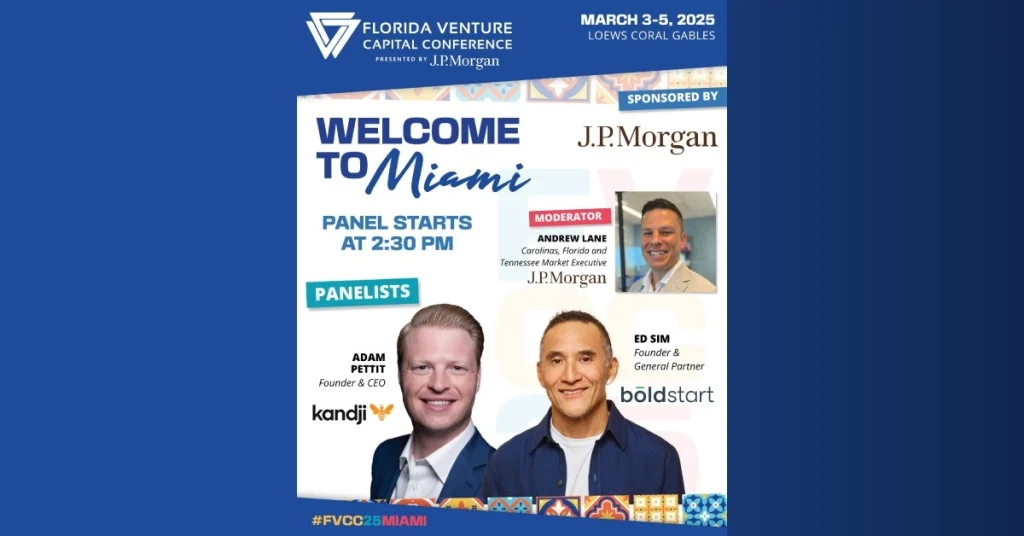
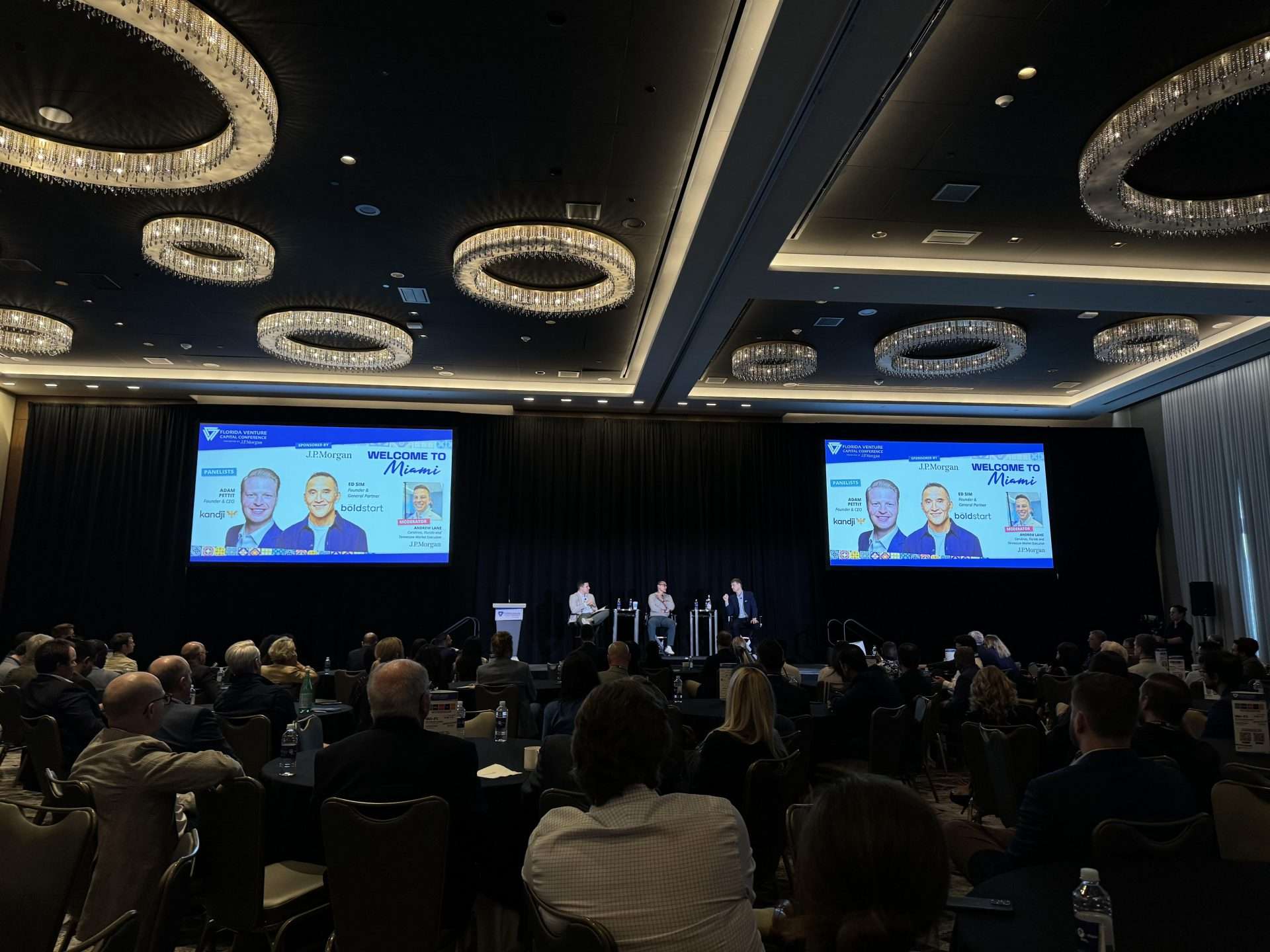
Miami, FL – March 3, 2025 – Miami’s rise as a tech hub took center stage as the Florida Venture Capital Conference 2025 (#FVCC25MIAMI) launched at the Loews Coral Gables. The event began with its flagship “Welcome to Miami” panel. Over 600 attendees filled the room. This included more than 200 investors. Additionally, 40 startups pitched across Growth, Early, and Seed stages.
Andrew Lane led as moderator. He’s the Carolinas, Floridas, and Tennessee Market Executive at JPMorgan, overseeing key markets with a sharp focus on economic growth. His decades of financial leadership made him a standout choice.
Ed Sim spoke as a panelist. He founded Boldstart Ventures, driving seed investments in unicorns like Snyk ($8.5B valuation) and Blockdaemon ($3.2B). Known for “inception investing,” Sim shapes startups from day one.
Adam Pettit featured as a panel speaker. He co-founded Kandji, revolutionizing Apple device management with its Device Harmony platform. Pettit scaled Kandji into a B2B SaaS leader, offering critical insights on growth and relocation. Together, they tackled Miami’s tech hub ascent, venture capital shifts, founder strategies, and AI potential.
Andrew Lane opened by asking Ed Sim about relocation trends.
Sim, with investments spanning Israel, Europe, the Bay Area, and New York, replied:
“Three years ago, Miami didn’t even register on the list of places people considered moving to in the U.S. Now, it’s right up there with New York and San Francisco.”
While San Francisco leads in AI due to its talent pool, Sim noted, “You can base yourself in Miami and visit San Francisco every 6-8 weeks to stay connected.” He added, “Boston’s off the radar, frankly. Miami’s making real progress, even if it’s not an overnight transformation.” Lane grinned, saying, “I’ll let my Boston peers know it’s chilly up there. Miami’s where the action is—and everyone here proves it.”
Lane then shifted to early-stage financing, asking Sim how pre-seed investing has changed.
Sim explained:
“Pre-seed lacks a clear definition, so two and a half years ago, I redefined it as ‘inception investing.’” He elaborated, “Founders need one go-to spot—pre-product, unincorporated—where they can secure anything from $500K to $20M+.”
Challenges like incorporation and hiring remain constant, he said. Moreover, Sim highlighted two trends: “First-time founders are raising $1-2M from smaller funds, while mega-rounds of $10M to $100M are fueled by firms sitting on billions.”
Sim emphasized the value of early investment. “It’s the cheapest entry point—like buying a lottery ticket—and it gives you pole position with the founder,” he said. Citing Stripe’s data, he added, “In 2018-2019, reaching $5M ARR took 37 months; now, in the AI era, it’s just 24 months.” Thus, he concluded, “The speed of growth shows why being first matters. Founders must tell a compelling story to attract that initial capital.”
Lane asked Sim about the direction of venture capital providers and advice for founders. Sim responded:
“Last year, 30 firms scooped up 65-75% of all VC capital raised. That’s a massive concentration.” He noted, “Institutional players care more about their 2% management fees than the 20% carry, driving a race to scale.”
His advice? “Go big, go niche, or go home. The middle is a graveyard.” For founders, he said:
“A $1M check from a $4B fund might not excite a partner, but from a $30M fund, it’s significant.”
He urged, “Check the percentage of the fund and the partner’s commitment. You need someone who shares your vision for the long haul.” Sim pointed to General Catalyst’s potential public market move as a sign of industry maturation.
Lane turned to Adam Pettit, asking about fundraising timelines. Pettit, leveraging Kandji’s journey, said:
“Every company’s different, but in B2B SaaS, raising a round can take six months.”
He added, “Our Series B last year took five or six months—though in 2021, rounds closed faster.” His strategy? “Start raising with 18 months left. That gives you six months to close, leaving 12 months in the bank if it falls through.” Post-raise, he advised:
“Reset to 36 months of runway, buying you 18 months before the next round.” Pettit stressed, “It’s not one-size-fits-all, but this framework has worked for us. Flexibility is key.”
Lane asked Sim about Miami’s tech hub status. Sim reflected:
“The crypto boom here was loud—hype drove it, then it crashed.”
He continued, “But now, Miami can reset and build something lasting.” Calling generative AI “the greatest platform shift in history,” he predicted a decade of innovation. “Capital and talent are flowing to AI, and Miami can seize this,” he said.
His plan? Partner with the University of Miami to hire AI researchers, provide GPU access, and launch a visiting series for professors, investors, and startups. “From October to April, no one says no to Miami,” he quipped. “The dollars are here—let’s make it a magnet.”
Pettit added, “We’ve relocated talent to Miami successfully. It’s far easier than convincing people to move to San Francisco, despite its talent edge.”
He clarified, “Be explicit—our whole team’s here, in-office five days a week. It’s not just founders hanging out on Miami Beach.” Lane noted, “Miami’s sparking curiosity. Investors are asking, ‘What’s cooking down there?’”
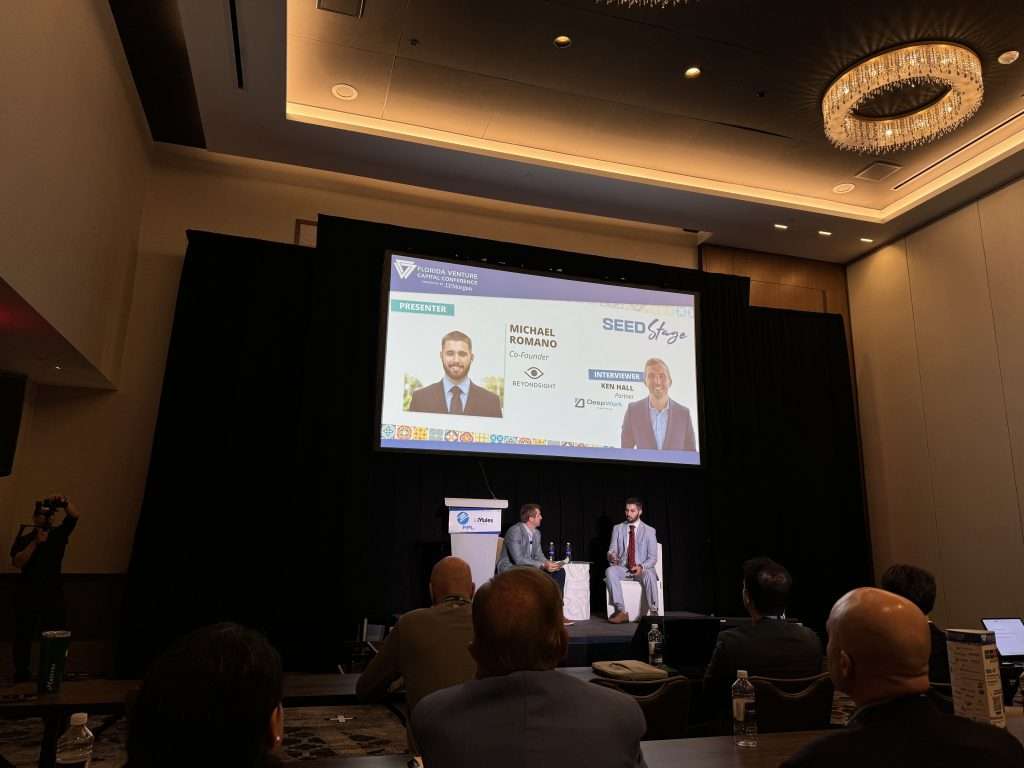
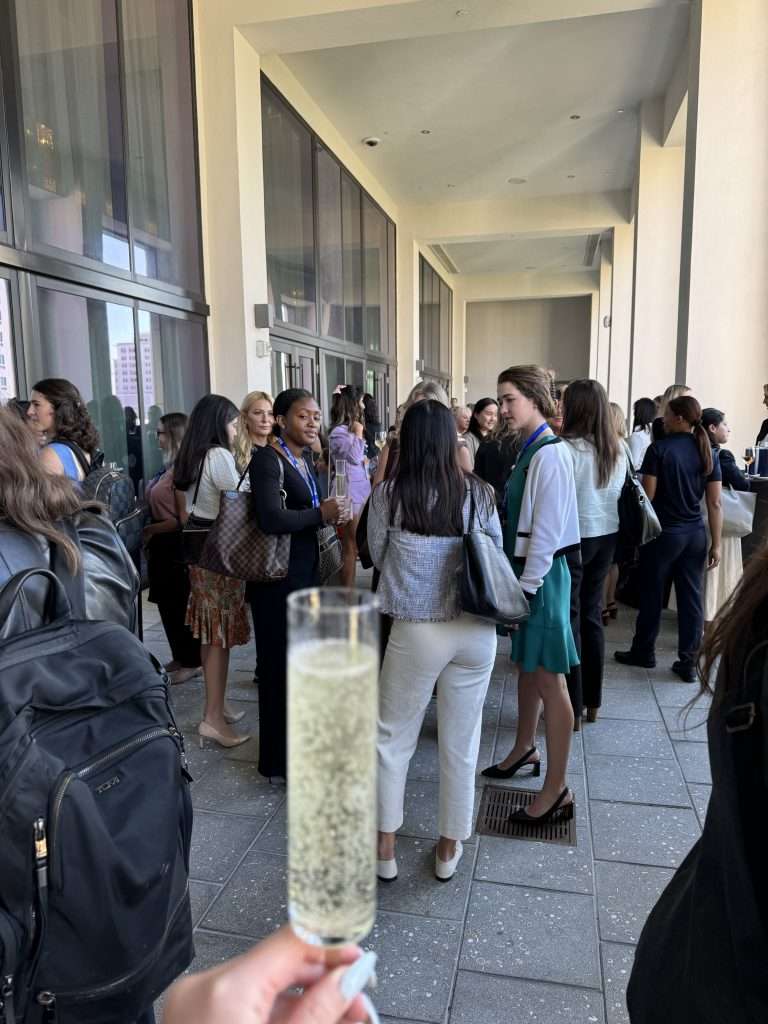
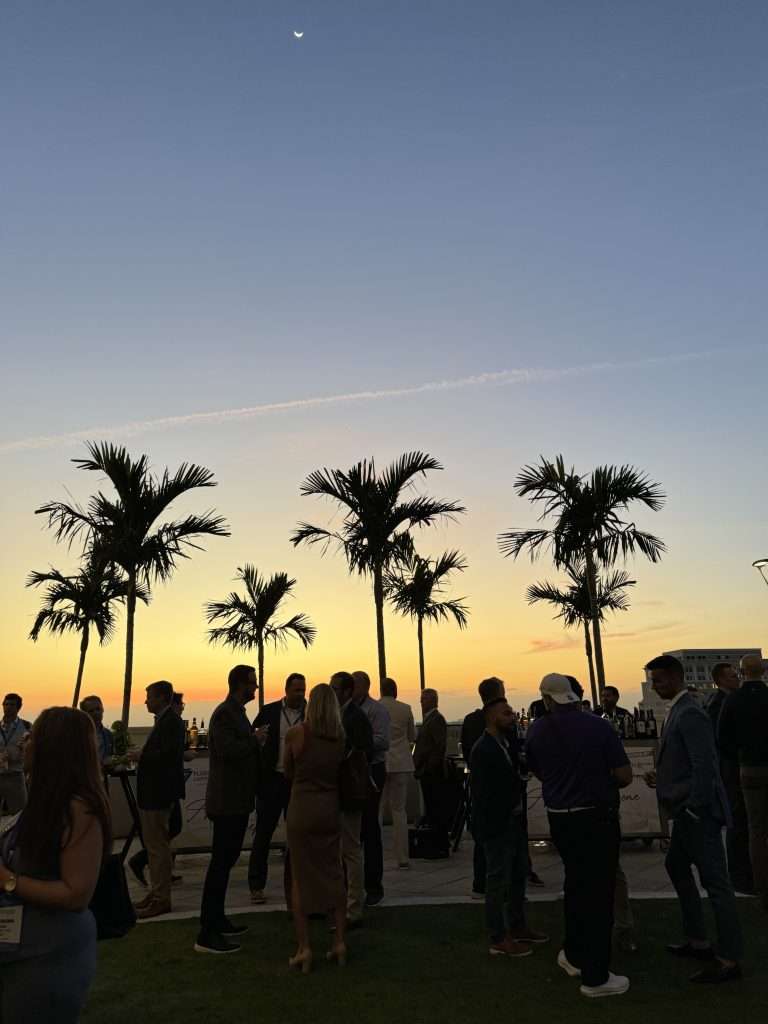
Besides the panel, Day 1 featured Seed Stage pitches. Startups showcased their ideas there. Founders were interviewed by Ken Hall from Deepwork Capital. Meanwhile, the Women in Capital Reception stood out as a highlight. It celebrated women in venture roles. Later, the Alumni Reception followed. Attendees networked on the Loews hotel rooftop. They enjoyed cocktails, wine, and a live violin at sunset.
The panel showcased Miami’s tech hub ascent. Lane framed the region’s potential. Sim’s inception investing and AI vision energized the room. Pettit’s fundraising and relocation insights grounded it. From a crypto reset to an AI-driven future, Miami pulls founders, venture capital, and talent at FVCC 2025.